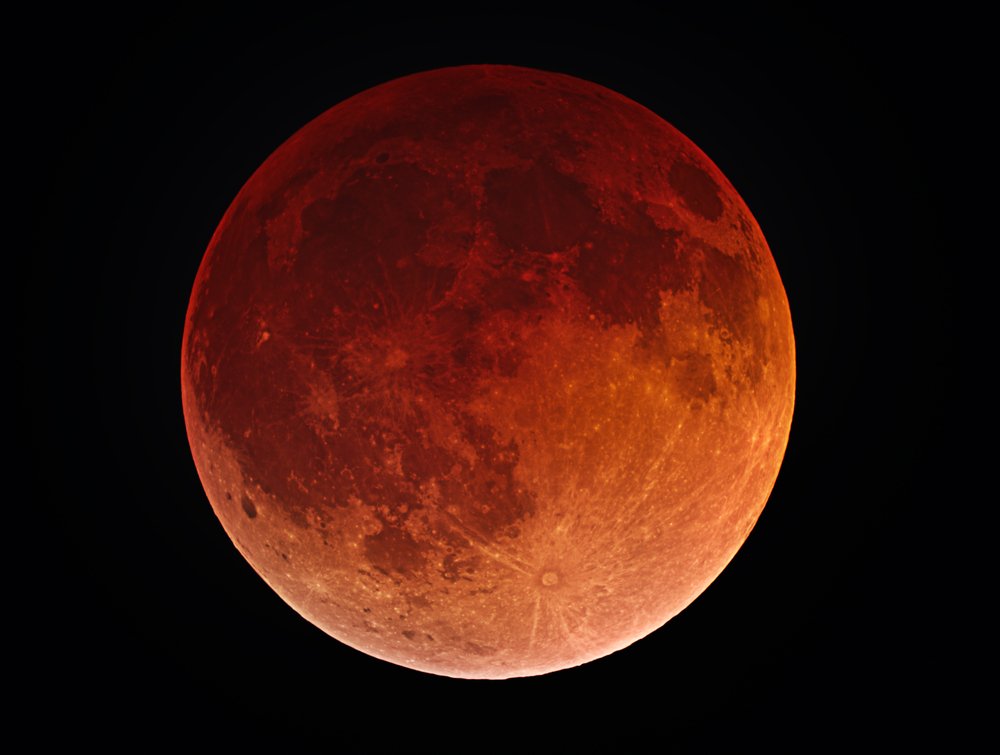
This year the thirteenth moon of the year, when there are two full moons in a month, auspiciously falls at Samhain, an ancient festival of death and new beginnings. This liminal time becomes quite literally tonight a ‘Time between Worlds’ represented by the twelve months of the solar calendar and the more ancient thirteen moons of the lunar calendar, both of which comprise roughly 365 days. A potent blue moon and time of transformation and magic.
In the Celtic world, Samhain was when the cattle were brought down from the summer pastures and when livestock were slaughtered in preparation for the forthcoming winter months. It was a time of great feasting and drinking, a major fire festival when the beacons would be lit across the hill tops to cleanse and purify and re-establish the bond between heaven and earth. Also when the veils between the worlds are thin, bringing us closer to the spirit of the ancestors and the Sidhe. This festival-of-the-dead aspect has been incorporated into the Catholic tradition of All Souls and All Saints day, celebrated on November 1st and 2nd, when celebrations still take place all over the world in cemeteries or in the streets. For most people, this is Halloween when children go out trick-or-treating, and even this has deep roots in the past. In the Anglo-Saxon tradition, people would go door to door begging for soul cakes, which were then used to feed the souls of the dead.
This is also a time of powerful celestial harbingers. At the beginning of November, Earth passes through the Taurids meteor shower, when great flares of slow moving light streak across the night sky. In the past, this is possibly a time when meteors fell to Earth, making this a time of dangerous potent, but also highly auspicious, linking heaven and earth, life and death. In the Anglo-Saxon period, this was when the goddess Hel was on the loose. Sometimes she is said to ride with Odin across the skies in the Wild Hunt, when the demons of the Underworld maraude in the form of large, ominous, ghostly hordes. This deeply celestial motif could also be linked in folk memory to the vast flocks of migrating birds, particularly geese, that would have filled the skies with awesome flapping of wings and haunting honking sounds as they fly across the backdrop of the Milky Way to winter feeding grounds.
Odin made Hel queen of Niflheim, the Underworld realm of the dead, and she was terrible to behold, one half of her body healthy and the other half rotten and diseased. She received all the dead, except those who had died in battle, and her realm was part a place of rest and peace, part a place where the evil were punished for their terrible deeds. Sound familiar? However, she was also associated with lakes and streams under the name of Holde (in the German speaking world), and with the growing of flax, spinning and the hearth, demonstrating that she was once a multi-faceted goddess who has become demonised by the Church in later times.[1]
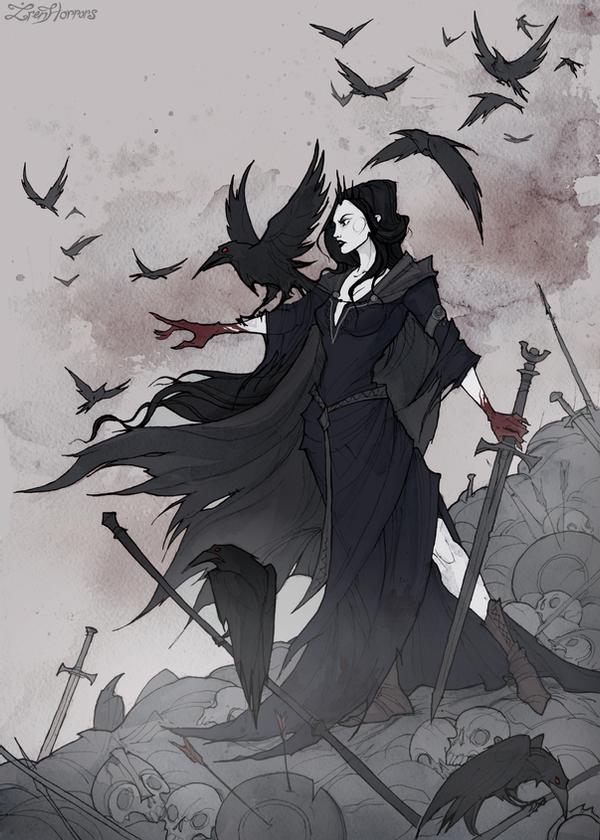
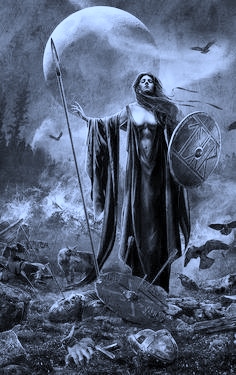
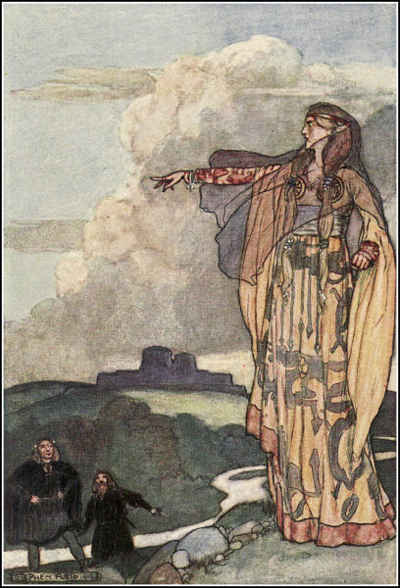
In Celtic tradition, it was the great queen, the Morrigan, who came to the fore at Samhain. This ancient phantom queen had three aspects, Badb (the banshee or crow), Macha and Neman. She was a guardian of territory and people, so a Sovereignty goddess, and in this respect was associated with war and fate, and with prophetic voice, particularly that associated with doom, death or victory in battle. In her death aspect she was seen as an old woman washing the bloody sheets of the dead at the crossroads, the washer at the ford, the archetypal banshee.
In the Mythological Cycles, the Morrigan is listed among the Tuatha de Danaan and appears in many of the old stories. For example, in the Cattle Raid of Cooley she reveals herself to be a shapeshifter par excellence, turning into a series of animals – a crow, woman, eel, wolf, a white red-eared heifer – all of which sustain wounds, then finally an old woman milking a cow but with the wounds gained in animal form still intact. The story then goes on to reveal her healing and regenerative abilities, for she gives the hero milk from her cow three times and in return he blesses her, healing her wounds.
In the Second Battle of Moytura, the Morrigan has a Samhain tryst with the Dagda before he goes into battle with the Fomorians. He is out walking by the river when:
‘He beheld a woman washing herself with one of her two feet to the south of the water, and the other to the north of the water. Nine loosened tresses were on her head. The Dadga conversed with her and they made a union. The bed of the Couple is the name of the place henceforward. The woman that is there mentioned is the Morrigu.’ [2]
She tells him where the Fomorians will land and promises to kill the Fomorian king and bring back two handfuls of his blood as proof. Their union is said to take place every year on the eve of Samhain, which marks the end of the agricultural year and the beginning of a new one, so this coupling between the forces of light and darkness is possibly symbolic of new beginnings, and of rebirth in sexual union.
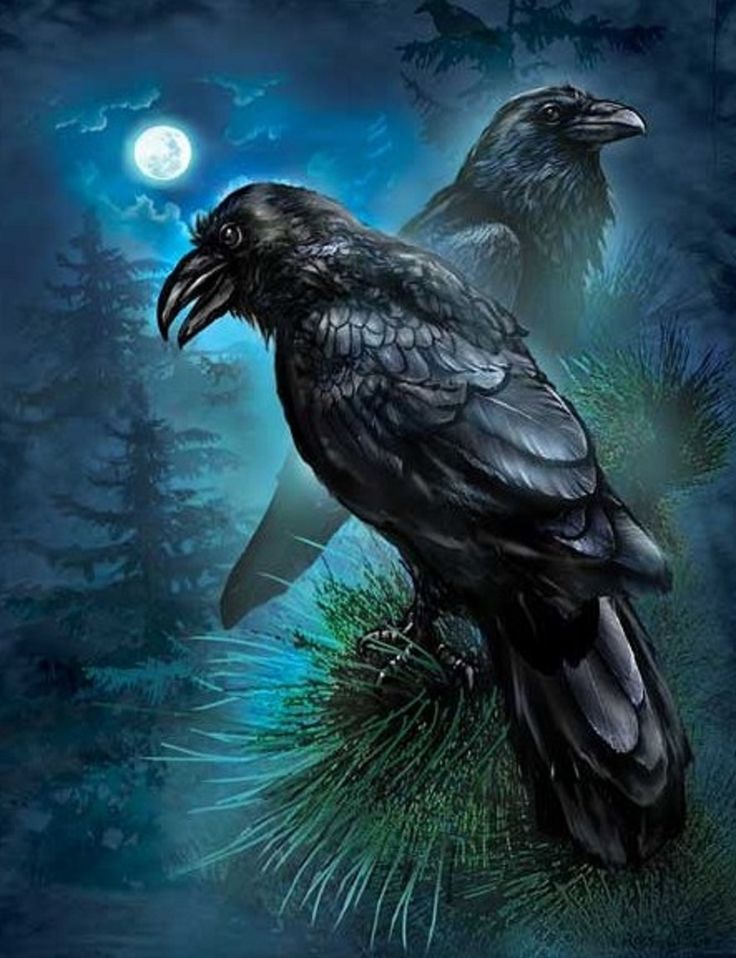
The primary bird of the triple Morrigan is the hooded crow, and she is sometimes depicted in this form. The tradition of the great goddess as bird is ancient and there is a lot of evidence for her in this form in the Old European Copper Age. [3]This was when the goddess nurtured and generated, destroyed and regenerated again and her beak, claws, wings, vulva and breasts symbolised these transitional stages. Crows are also scavengers and appeared on the battlefield to feed off the flesh of the dead, linking them with the forces of destruction and suffering associated with death in this form, accentuated by their hooded heads, scaly claws and hooked beaks. They also spoke in haunting tones, their caws floating eerily through desolate landscapes, and they were therefore often used in divination, to foretell the death of heroes, and their flight patterns could also be interpreted by druids versed in their meanings. The link between these birds and the life-death-rebirth cycle mediated by the goddess is seen in the ritual of burying crows, or ravens, with outspread wings at the bottom of pits or shafts linking this world with the Underworld. This was the bird goddess as psychopomp, guiding and accompanying the souls of the dead on their journey between the worlds. When death is seen as part of life and not morbidly feared, then regeneration and rebirth emerge as natural parts of the cycle of life/death of which we are all part.
[1] ‘Hel, Norse goddess of the Underworld,’ available at http://www.learnreligions.com
[2] ‘The Second Battle of Moytura,’ Stokes, 1891 available at http://www.sacredtexts.com
[3] See Marija Gimbutas’ work for abundance evidence
Picture credits: ‘Morrigan’ by Irenhorrors, ‘Crow’ and ‘Morrigan’ under public domain licencing
 Earth Wisdom Earth Science